
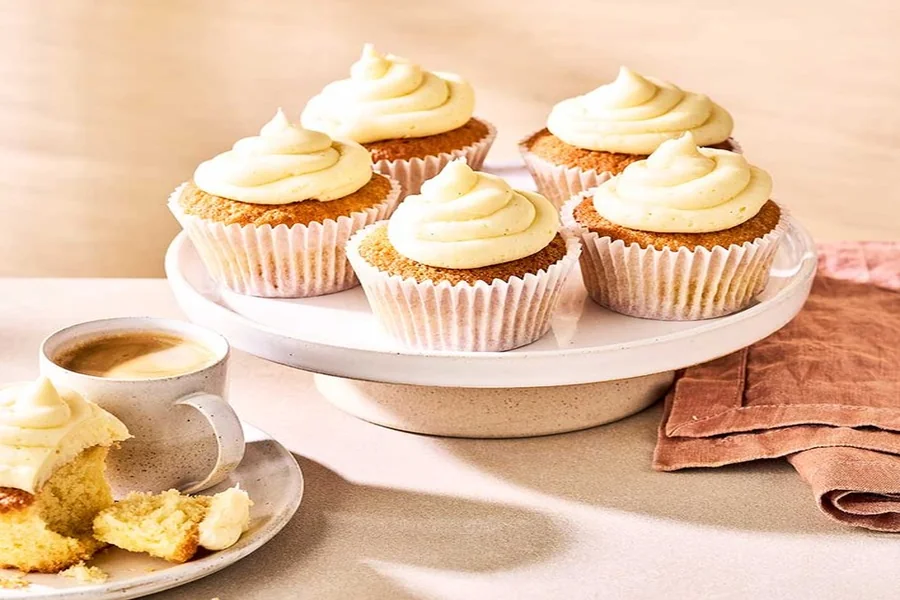
Baking without gluten is not as hard as you think. I remember my first attempt at a gluten free cake. It was dry and dense. But I kept trying. Now I make gluten free treats that everyone enjoys. These gluten free baking recipes will help you succeed from day one. The secret is understanding how gluten free ingredients work together. Let me show you the way.
Understanding Gluten Free Baking Basics
Gluten is a protein found in wheat barley and rye. It gives regular baked goods their stretchy structure. Without gluten your cakes and breads can fall apart. But you can build a new structure using other ingredients. Gluten free baking recipes often use a mix of flours and binders. Xanthan gum and psyllium husk are common binders. They hold your baked goods together like glue. You also need more moisture than regular recipes. Gluten free flours soak up liquid quickly. So add an extra egg or a bit of yogurt. This keeps your treats soft and tender.
Another key point is rest time. Gluten free batters need time to hydrate. Let your batter sit for 15 to 30 minutes before baking. This allows the flours to absorb liquids fully. The result is a smoother texture. Do not skip this step. It makes a big difference in your final product. Many new bakers rush this part. Then they wonder why their cake feels gritty. A little patience gives you professional results at home.
Essential Flours for Gluten Free Baking Recipes
You cannot just swap wheat flour for one gluten free flour. Each flour acts differently. The best gluten free baking recipes use a blend. Here are the most useful flours for your pantry. Rice flour is a mild neutral base. White rice flour gives a light texture. Brown rice flour adds a nutty flavor. Almond flour is great for cookies and quick breads. It brings moisture and richness. But almond flour is heavy. Use it with lighter flours. Coconut flour is very absorbent. You need only a small amount. For every cup of wheat flour use a quarter cup of coconut flour. Add extra eggs or liquid too.
Tapioca flour and potato starch add chewiness. They help mimic gluten’s stretch. Sorghum flour tastes like mild wheat. It works well in bread recipes. Oat flour is another nice option. Make sure your oats are certified gluten free. Oats often get cross contaminated in fields or factories. Make your own blend for best results. A simple all purpose gluten free flour mix is two parts rice flour two parts potato starch and one part tapioca flour. You can add a teaspoon of xanthan gum per cup of flour blend. Store your blend in an airtight container. Use it in any recipe that calls for gluten free flour. This homemade blend saves you money too.
How to Bake a Perfect Gluten Free Cake
Cake is one of the easiest gluten free baking recipes to master. The key is to keep the cake moist. A dry gluten free cake is no fun at all. Start with a good flour blend. Then add ingredients that hold moisture. Sour cream applesauce or mashed banana work well. Here is a simple gluten free vanilla cake recipe. Preheat your oven to 350 degrees F. Grease an eight inch round cake pan. In a large bowl whisk together one and a half cups gluten free flour blend one teaspoon baking powder half teaspoon baking soda and a quarter teaspoon salt.
In another bowl mix half cup softened butter three quarters cup sugar two eggs one teaspoon vanilla extract and half cup sour cream. Combine wet and dry ingredients. Add half cup milk slowly. Mix until just smooth. Let the batter rest for 15 minutes. Pour into the pan. Bake for 25 to 30 minutes. A toothpick should come out clean. Cool before frosting. For a simple glaze mix powdered sugar with a little milk and vanilla. Drizzle over the cooled cake. This cake is tender and fluffy. No one will know it is gluten free. For a chocolate version add a quarter cup cocoa powder and reduce flour by a quarter cup. You can also add chocolate chips for extra fun.
Simple Gluten Free Bread That Works
Bread is the biggest challenge in gluten free baking. Gluten gives bread its chew and rise. Without gluten you need extra help. Use a stand mixer for best results. The dough will look like thick batter not a regular dough ball. Try this simple sandwich bread. Warm half cup milk and half cup water to 110 degrees F. Add two teaspoons sugar and one packet active dry yeast. Let it foam for five minutes. In a mixer bowl combine two cups gluten free flour blend one teaspoon salt one teaspoon xanthan gum if your blend doesn’t have it and two tablespoons sugar.
Add the yeast mixture two tablespoons melted butter and two eggs. Mix on medium speed for three minutes. The batter will be sticky. Scrape it into a greased loaf pan. Smooth the top with a wet spatula. Let it rise in a warm place for 30 to 45 minutes. It should rise just below the pan’s rim. Bake at 375 degrees F for 40 to 50 minutes. The internal temperature should reach 205 degrees F. Cool completely on a wire rack. This bread makes great toast and sandwiches. Slice it only after full cooling. Use a serrated knife for clean cuts. Store leftover bread in a sealed bag at room temperature for two days. For longer storage freeze the slices. Then you can toast them straight from the freezer.
Delicious Gluten Free Cookies
Cookies are the most forgiving gluten free baking recipes. Many cookie recipes taste even better gluten free. The lack of gluten makes them tender and chewy. Here is a classic chocolate chip cookie recipe. Preheat oven to 375 degrees F. Line a baking sheet with parchment paper. In a bowl mix one cup gluten free flour blend half teaspoon baking soda and half teaspoon salt. In another bowl beat half cup softened butter half cup brown sugar and quarter cup white sugar until creamy. Beat in one egg and one teaspoon vanilla.
Slowly add the flour mixture. Stir in one cup chocolate chips. Chill the dough for 30 minutes. This step prevents spreading. Drop spoonfuls of dough onto the baking sheet. Leave two inches between each cookie. Bake for 10 to 12 minutes. The edges should be golden. Let them cool on the sheet for five minutes then move to a rack. These cookies stay soft for days. Store them in a sealed container at room temperature. You can swap chocolate chips for raisins nuts or dried cranberries. For a crunchy cookie bake two minutes longer. For a soft cookie take them out when the centers still look a little underdone.
Tips for Success with Gluten Free Baking Recipes
You can avoid common mistakes with a few simple habits. First always measure your flour correctly. Spoon the flour into your measuring cup then level it off. Scooping packs too much flour. Second do not overmix your batter. Overmixing can make your baked goods tough. Mix until ingredients just come together. Third use room temperature ingredients. Eggs butter and milk mix better when warm. Fourth invest in a kitchen scale. Weighing your flour gives the most consistent results. Fifth always let your baked goods cool completely before cutting. Gluten free treats are fragile when hot. Cooling sets the structure.
Another great tip is to freeze your baked goods. Gluten free cakes and breads freeze well. Wrap them tightly in plastic wrap then foil. Thaw at room temperature. This saves you time and ensures you always have a treat ready. Also keep your flours in the fridge or freezer. Nut flours especially can go rancid at room temperature. Rice flour stays fine in a cool pantry. Label your homemade flour blends with the date. Use them within three months for best taste. Lastly do not be afraid to experiment. Add spices like cinnamon or nutmeg. Try different sweeteners like honey or maple syrup. Each small change teaches you something new about gluten free baking.
Final Thought
Gluten free baking does not need to be a struggle. With these gluten free baking recipes you can create wonderful food for yourself and your family. Start with simple recipes like cookies or muffins. Work your way up to bread and cakes. Remember to use good flour blends and let your batters rest. Do not skip the binders like xanthan gum or psyllium husk. They are your friends. Taste test as you go. Adjust sweetness or salt to your liking. Most of all have fun in the kitchen. Baking is a joyful act. Sharing your gluten free treats with others brings happiness. You can do this. Every baker starts somewhere. Your first try might not be perfect but your second try will be better. Keep learning and keep baking. The more you practice the more natural it feels. Soon you will create your own signature recipes. And no one will ever miss the gluten.
Frequently Asked Questions
Can I replace wheat flour with almond flour in any recipe?
No you cannot do a direct swap. Almond flour is heavier and moister than wheat flour. For best results use recipes made for almond flour or blend it with other flours like rice or tapioca.
Why is my gluten free bread so dense?
Dense bread often means not enough liquid or no rest time. Gluten free flours need more moisture than wheat flour. Also let your batter rest before baking. This allows the flours to absorb liquid fully.
Do I need xanthan gum for all gluten free baking recipes?
Not always. Some recipes use psyllium husk or chia seeds instead. Baked goods like cookies or brownies might not need a binder if they have enough eggs. But for bread and cakes a binder helps a lot.
How do I store gluten free baked goods?
Store them in an airtight container at room temperature for up to three days. For longer storage wrap tightly and freeze. Gluten free treats dry out faster than regular ones so eat them within a few days.
Can I make my own gluten free flour blend?
Yes making your own blend saves money. A good basic blend is two parts white rice flour two parts potato starch and one part tapioca flour. Add xanthan gum separately based on your recipe.
Why does my gluten free cake fall apart?
Your cake might need more binder or more liquid. Also let the cake cool completely before removing from the pan. Warm gluten free cakes are very fragile. A rest time of 10 minutes in the pan then full cooling on a rack helps.
