
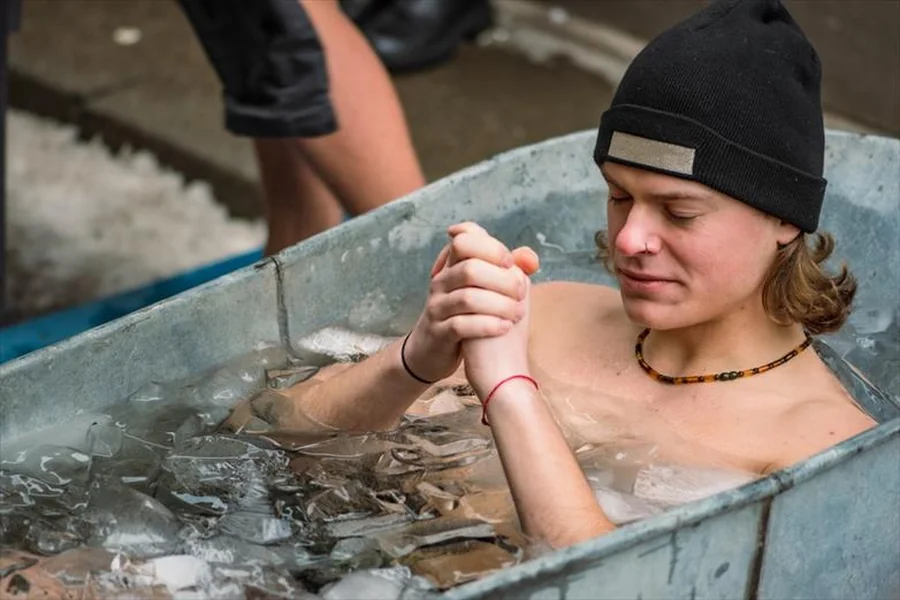
Cold water immersion is not a new trend. Athletes have used ice baths for decades. But everyday people now ask about the benefits of cold plunge therapy. You might see influencers jumping into frozen lakes or backyard tubs. Is this just a fad or real science? The truth is your body responds to cold in powerful ways. Regular cold plunges can change your health from the inside out. You do not need extreme temperatures to see results. A simple cold shower or a dedicated plunge tub works well. This article explains the main benefits of cold plunge therapy. You will learn how it helps your muscles your mood and your immune system. Let us dive into the cold water details.
Benefits of Cold Plunge Therapy for Muscle Recovery
After a hard workout your muscles feel sore. This soreness comes from tiny tears in muscle fibers. Your body sends inflammation to repair those tears. But too much inflammation slows recovery. A cold plunge reduces that swelling fast. Cold water makes your blood vessels tighten. Then when you warm up your vessels open wide. This pump action flushes out waste products like lactic acid. Fresh oxygen rich blood rushes in to heal your muscles. Many athletes use cold plunges after games or training sessions. They report less muscle pain the next day. You do not need to be an athlete to benefit. A long day of yard work or heavy lifting also creates muscle stress. Jumping into cold water for two to three minutes eases that tension. The key is timing. Do your cold plunge right after exercise for best results. Wait too long and inflammation has already peaked. Another tip is to keep the water between 50 and 59 degrees Fahrenheit. Colder than that is not better. Water below 50 degrees can cause harm if you stay too long. Listen to your body. Shivering is normal but painful numbness is not. Start with thirty seconds and build up to three minutes. Your muscles will thank you with faster recovery and less soreness.
Mental Health Benefits from Cold Plunges
Your brain loves cold water more than you think. The shock of cold triggers a rush of endorphins. These are feel good chemicals that lower stress. Endorphins act like natural painkillers. They also lift your mood for hours after the plunge. Cold exposure also increases norepinephrine. This brain chemical fights anxiety and depression. Studies show that regular cold water swimmers have lower stress levels. They also report feeling more alert and focused. The reason is simple. Cold water forces you to breathe deeply. You cannot panic and hold your breath. You must control your breathing to stay calm. This breathing control trains your nervous system. Over time you become better at handling daily stress. A morning cold plunge can replace your coffee. The wake up effect is that strong. Many people with anxiety use cold therapy to ground themselves. The intense physical sensation pulls your mind away from worried thoughts. You focus only on the cold and your breath. This is similar to meditation but more active. Try a cold plunge when you feel overwhelmed. You will notice your mind clears and your heart rate slows. The benefits of cold plunge therapy for mental health are not just short term. Regular practice builds mental toughness. You learn to embrace discomfort instead of running from it. That skill helps in every part of life from work to relationships.
How Cold Plunge Therapy Boosts Your Immunity
Getting sick often is frustrating. Your immune system needs challenges to stay strong. Cold water acts like a gentle stressor that trains your immune cells. When you enter cold water your body releases white blood cells. These cells fight off viruses and bacteria. Regular cold plunges increase the number of these protective cells. One study followed people who swam in cold water every day. They had fewer colds and infections than non swimmers. Another benefit is reduced inflammation throughout your body. Chronic inflammation weakens your immune response over time. Cold plunges lower inflammatory markers like C reactive protein. This effect helps your immune system focus on real threats. But you must be careful. Do not do cold plunges when you already have a fever. Your body needs that heat to fight infection. Adding cold stress can make things worse. Healthy people benefit most from regular cold exposure. Aim for three to four plunges per week. Each session should last one to two minutes. You can also end your hot shower with thirty seconds of cold water. This simple habit trains your immune system without any special equipment. Over several months you will notice fewer sick days. Your body will bounce back faster from minor illnesses. The benefits of cold plunge therapy for immunity work best with consistency. Make it a routine not a once in a while treat.
Better Sleep and Energy Through Cold Exposure
Your sleep quality affects everything else in your life. Poor sleep leads to bad decisions weight gain and mood swings. Cold plunge therapy can fix your sleep cycle naturally. Your body temperature drops when you sleep. A cold plunge before bed speeds up this temperature drop. You fall asleep faster and reach deep sleep more easily. Deep sleep is when your body repairs itself. It is also when your brain stores memories. One cold plunge in the evening sets the stage for restorative rest. But timing matters. Do not plunge right before lying down. Leave at least one hour between your cold exposure and bedtime. This gives your body time to rewarm naturally. The rewarming phase makes you feel sleepy and relaxed. During the day cold plunges boost your energy differently. The cold shock activates your sympathetic nervous system. This is your fight or flight response. You feel wide awake and ready to move. That is why morning plunges work better than coffee. The energy lasts for hours without the jittery crash. Many people replace their afternoon caffeine with a quick cold shower. They report steady energy until bedtime. The benefits of cold plunge therapy for sleep and energy are two sides of the same coin. Cold in the morning wakes you up. Cold in the evening helps you wind down. Listen to your body’s signals. You might need to experiment with timing. Keep a simple journal of how you feel after each plunge. You will quickly find your perfect schedule.
Frequently Asked Questions About Cold Plunge Therapy
How cold should the water be for a cold plunge?
The ideal temperature range is 50 to 59 degrees Fahrenheit. Colder water is not necessary and can be dangerous. Water above 60 degrees still provides some benefits but less of a shock response. Use a thermometer to check your tub or natural water source.
How long should I stay in the cold water?
Start with thirty seconds. Work your way up to three minutes. Do not exceed five minutes unless you are an experienced cold water swimmer. Longer exposure increases risks like hypothermia. Pay attention to blue lips or uncontrollable shivering. Get out immediately if you feel confused or very dizzy.
Is cold plunge therapy safe for everyone?
No. People with high blood pressure heart disease or Raynaud’s disease should ask a doctor first. Pregnant women should also get medical advice. Cold water makes your heart work harder. If you have any medical condition start very slowly. A cold shower is safer than full immersion. Never plunge alone if you have a health risk.
Can I do cold plunges every day?
Yes daily plunges are safe for healthy people. Many athletes do two plunges per day after heavy training sessions. But you need rest days if you feel exhausted. Listen to your body. Some people get better results with five days per week. The benefits of cold plunge therapy build with consistency not extreme frequency.
What is the best time of day for a cold plunge?
Morning is best for energy and mental focus. Evening plunges help sleep if done one hour before bed. Avoid plunging right after a large meal. Your body directs blood to digestion. Cold water diverts blood away from your stomach. Wait at least two hours after eating.
Do I need expensive equipment to start?
No. A regular bathtub filled with cold water works fine. Add ice cubes from your freezer to lower the temperature. A plastic storage tub outside is another cheap option. The cheapest method is ending your shower with cold water. Turn the handle to cold for the last thirty to sixty seconds. This gives you most of the benefits without any extra cost.
How soon will I feel the benefits of cold plunge therapy?
Some benefits like alertness and mood lift happen right away. Muscle recovery benefits appear the next day. Immune system changes take several weeks of regular practice. Sleep improvements often start within the first week. Be patient with yourself. The first few plunges feel shocking and hard. That discomfort fades as your body adapts.
Can I combine cold plunges with sauna or hot baths?
Yes. Alternating hot and cold is called contrast therapy. Go from hot to cold for maximum benefit. The hot water opens your blood vessels. Then the cold water closes them quickly. This pumping action improves circulation more than cold alone. Many people love this hot cold cycle. Just end on cold for the long term benefits.
Final Thought: Making Cold Plunge a Daily Habit
The benefits of cold plunge therapy are too good to ignore. You get stronger recovery a calmer mind a sharper immune system and better sleep. All of this from a few minutes of cold water each day. The hardest part is starting. Your body will scream at you to stay warm and comfortable. That scream is exactly why you should do it. Every time you choose the cold you teach your brain that discomfort is manageable. This lesson carries over into every challenge you face. You become more resilient more focused and more in control. Start small this week. Take your regular shower then turn the water cold for fifteen seconds. Next week make it thirty seconds. The week after try a full bath with ice. You do not need to be perfect. Some days you will skip the plunge. That is fine. Just come back to it the next day. Your body remembers the adaptation. Over months you will wonder how you ever lived without cold exposure. Your friends might think you are crazy. Let them think that. You will be the one sleeping well recovering fast and smiling through stress. The cold water is waiting. Take a breath. Get in. Feel the change happen.
