
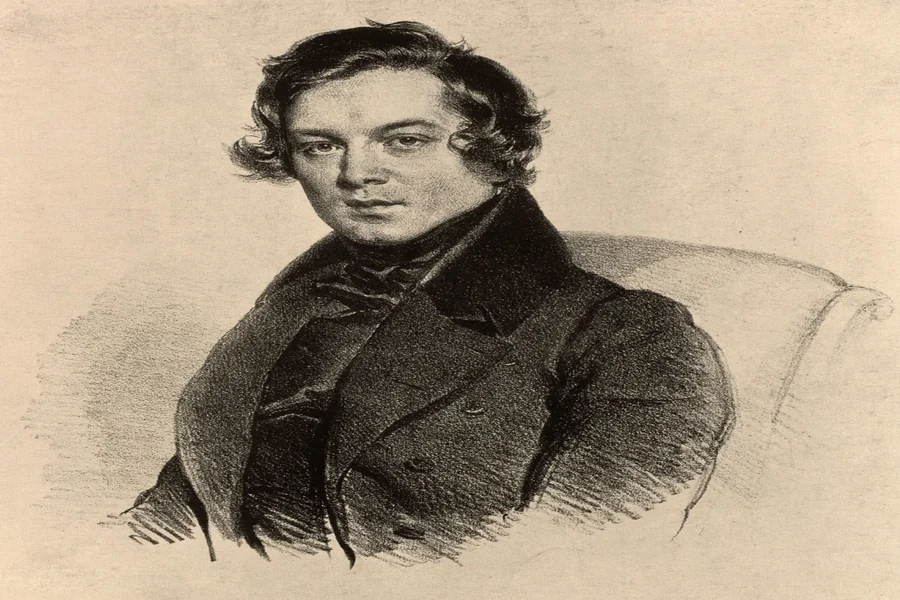
If you love classical music you know the names. Bach Mozart Beethoven. But their music only tells half the story. The real magic lives inside their lives. Their struggles their joys their strange habits. Reading the best classical music composer biographies opens a door to another time. You see the human behind the masterpiece. You feel what they felt. You understand why a symphony sounds so sad or so triumphant. This article will guide you through the finest biographies ever written. You will find books that read like novels. You will meet composers as real people. And you will finish each page wanting to listen to their music again with new ears.
Why Composer Biographies Enrich Our Understanding
A biography does more than list dates and compositions. It puts you in the room with the artist. You learn that Mozart loved billiards and dirty jokes. You discover that Beethoven walked the countryside with a notebook full of musical ideas. You find out that Bach had twenty children and a temper to match his talent. These details make the music warmer. They give context to every note. When you read about Beethoven writing his Ninth Symphony while completely deaf you hear that symphony differently. The triumph becomes personal. The struggle becomes real. The best classical music composer biographies also correct myths. For example many people think Mozart died poor and forgotten. A good biography shows a more complex truth. He faced money troubles like many artists but his fame grew fast after death. Biographies also show how composers influenced each other. Haydn taught Beethoven. Beethoven admired Mozart. Mozart studied Bach. These connections turn history into a living conversation. So if you want to fall in love with classical music again start with a great life story.
The Essential Biography of Johann Sebastian Bach
Bach never traveled far from home. He worked as a church musician in small German towns. Yet his music changed everything. The best biography of Bach is Johann Sebastian Bach: The Learned Musician by Christoph Wolff. This book is a masterpiece of research. Wolff uses letters church records and music manuscripts to build a full portrait. You see Bach as a father a teacher and a fierce defender of his art. He once walked two hundred miles to hear a famous organist play. He argued with his bosses because he wanted better musicians. He composed a new cantata every week for years. That is not a normal work schedule. Wolff writes with clarity and warmth. You do not need a music degree to enjoy this book. Another wonderful choice is Bach: Music in the Castle of Heaven by John Eliot Gardiner. Gardiner is a conductor so he hears the music as he writes. His book feels like a concert and a history lesson together. Both biographies show why Bach is the father of Western music. After reading either one you will play his Brandenburg Concertos with fresh ears.
The Definitive Life of Wolfgang Amadeus Mozart
Mozart died at thirty-five. In that short life he wrote over six hundred works. He was a child prodigy who toured Europe at six years old. He composed full symphonies in his head before writing a single note. But he also loved dancing and playing pool. He borrowed money often. He wrote silly letters full of bathroom humor to his cousin. The best classical music composer biographies capture this brilliant messy man. Mozart: A Life by Maynard Solomon is a top choice. Solomon looks at Mozart’s family relationships especially with his father Leopold. That father pushed him hard. He also held him back. Solomon shows how Mozart grew from a performing monkey into a true artist. The book does not shy away from the dark side. Mozart’s last years were hard. He died with little money and was buried in a common grave. Yet his music from that period is angelic. Another fantastic biography is Mozart: The Reign of Love by Jan Swafford. Swafford writes with a storyteller’s gift. You feel like you are walking through Vienna with Mozart. You smell the coffee houses. You hear the street musicians. Swafford also explains the music without being too technical. He tells you why The Marriage of Figaro shocked audiences. He shows how Don Giovanni broke all the rules. Either biography will make you fall hard for Mozart.
Must-Read Books on Ludwig van Beethoven
Beethoven is the giant who broke music open. He started in the classical style of Mozart and Haydn. He ended as the first Romantic composer. And he did all this while losing his hearing. Imagine writing the Hammerklavier Sonata in total silence. That is Beethoven. The best biography is Beethoven: The Music and the Life by Lewis Lockwood. Lockwood focuses on the creative process. He shows how Beethoven filled sketchbooks with wild ideas then refined them into perfection. You see the struggle on every page. Lockwood also handles the famous Heiligenstadt Testament with care. That letter was written by a despairing Beethoven who wanted to die. Instead he chose to live for his art. Another essential read is Beethoven: Anguish and Triumph by Jan Swafford. This is a huge book but it flies by. Swafford gives you Beethoven the man: grumpy passionate lonely and heroic. He loved bad food and worse apartments. He fell in love with unattainable women. He fought with his sister-in-law over his nephew. Through all the mess he wrote music that makes you feel alive. For a shorter option try Beethoven: A Life by Jan Caeyers. It is just as powerful but packs more punch per page. After any of these books listen to the Eroica Symphony. You will hear a revolution in sound.
Biographies of Other Great Composers
The big three get most of the attention. But other composers have amazing stories too. Franz Joseph Haydn worked for the same rich family for thirty years. He wore a servant’s uniform. Yet he invented the symphony and the string quartet. Haydn: The Creation by James Webster is a deep beautiful study. For Franz Schubert you want Schubert: A Musical Wayfarer by Lorraine Byrne Bodley. Schubert died at thirty-one. He never heard his greatest songs performed in public. His life is a quiet tragedy turned into golden melody. Johannes Brahms was a shy man with a giant beard. He destroyed many of his own compositions because he feared they were not good enough. Brahms: A Biography by Jan Swafford (yes again) is the gold standard. Swafford writes the best classical music composer biographies across many eras. Another name to know is Gustav Mahler. His symphonies are worlds all their own. Mahler: A Biography by Jonathan Carr captures his nerve and his vision. And for a modern favorite try Clara Schumann: The Artist and the Woman by Nancy B. Reich. Clara was a piano genius and a composer too. She also managed a family and a career while her husband Robert struggled with mental illness. These biographies prove that great music comes from every kind of life.
Tips for Picking a Great Biography
Not every composer biography is worth your time. Some are too dry. Some are full of dates and no soul. Others assume you can read music. So how do you choose? First look for authors who love their subject but stay honest. A good biographer shows the flaws not just the glory. Second check the bibliography. A thick bibliography means real research. Third read a sample page online. The writing should flow like a novel. Fourth decide how deep you want to go. A 900-page book is perfect for a Beethoven superfan. A 300-page book works better for a newcomer. Fifth match the biography to your taste in music. If you love opera start with a Mozart bio. If you love piano sonatas start with Beethoven. Also look for books that include musical examples but explain them for non-musicians. The best classical music composer biographies teach you something about the music without losing you in theory. Finally read reviews from other readers. Find people who say “I couldn’t put it down.” That is your book. And do not be afraid to read two biographies of the same composer. Different authors see different truths.
Frequently Asked Questions
What is the single best classical music composer biography for a beginner?
Start with Mozart: The Reign of Love by Jan Swafford. It is exciting warm and easy to read. You do not need any music knowledge to love it.
Which composer has the most dramatic life story?
Beethoven wins this prize. Deafness loneliness and a furious creative spirit. His life is a tragedy that ends in triumph. Read Beethoven: Anguish and Triumph for the full ride.
Are there good biographies of female composers?
Yes. Clara Schumann: The Artist and the Woman by Nancy B. Reich is excellent. Also look for Fanny Mendelssohn: The Other Mendelssohn by R. Larry Todd. These women fought hard for their art.
I love orchestral music. Which biography should I read?
Try Mahler: A Biography by Jonathan Carr. Mahler wrote for huge orchestras. His life as a conductor also gives you a backstage view of the concert world.
How do I avoid boring academic biographies?
Read books by Jan Swafford Christoph Wolff or Maynard Solomon. These writers balance scholarship with storytelling. Also avoid very old biographies. They often hide the messy human details.
Can a biography make me a better listener?
Absolutely. Knowing a composer’s struggles and joys changes how you hear every note. You will feel the emotion behind the music not just the sound.
Final Thought
The best classical music composer biographies do more than inform. They transform. They turn names on a page into friends you miss when the book ends. They make the past feel present. They remind you that every beautiful melody came from a real person who ate breakfast argued with family and worried about money just like you. So pick one biography from this list. Set aside a quiet weekend. Let the book take you to Vienna or Leipzig or Bonn. Then play the music that goes with it. You will hear something new. You will feel something deeper. And you will understand why these old composers still matter today. Their lives were not easy. But their art is forever. Go meet them.
