
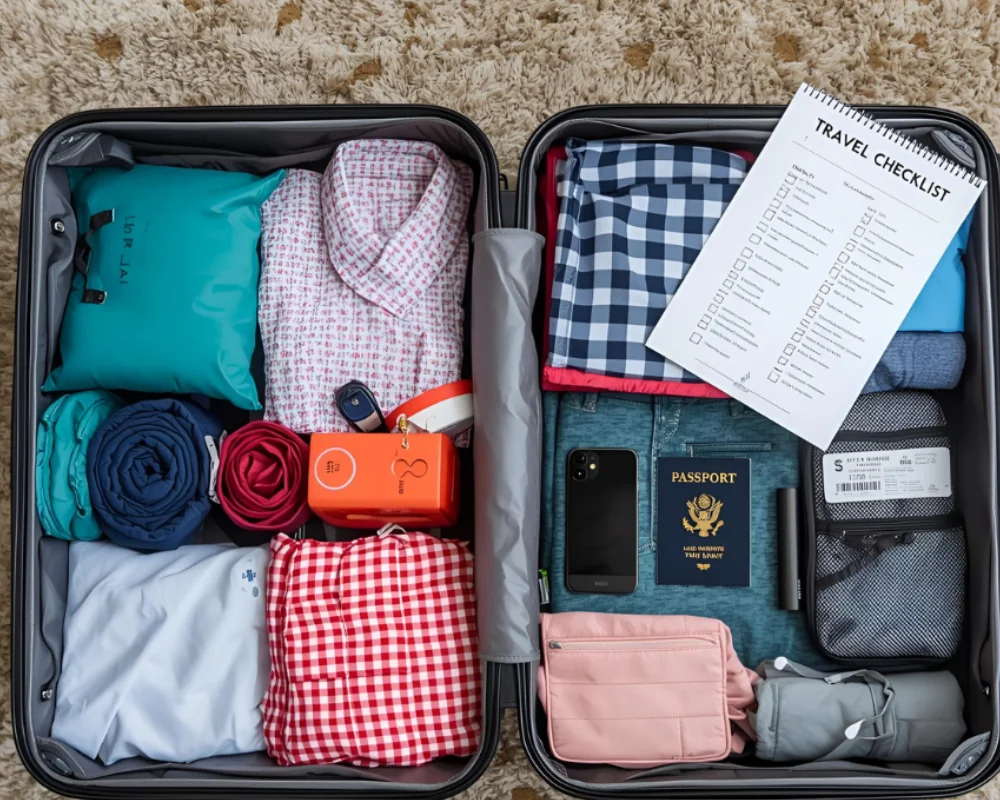
Packing for a long trip feels overwhelming. You want everything you might need but your suitcase has limits. The ultimate packing list for long trips helps you find that balance. I have learned from my own overpacking mistakes. This guide will save you from carrying a heavy bag full of unused items. You will learn what truly matters for weeks or months on the road.
Start With Your Luggage System
Your bag is the foundation of your travel life. Choose a lightweight durable backpack or rolling suitcase. For long trips a 40 to 60 liter backpack works well for most people. Hard shell suitcases protect fragile items but limit your ability to carry on uneven roads. Soft backpacks give you flexibility and fit into overhead bins easily. Get a bag with lockable zippers and compression straps. Compression straps shrink your load by up to twenty percent. Do not buy a bag that weighs more than five pounds empty. Every pound of bag weight is a pound less for your gear. Test the bag at home for two days before your trip. Walk around your house with it fully packed. If your shoulders hurt after fifteen minutes the bag is wrong for you.
Clothing For Every Weather
Long trips cross different climates and seasons. Your clothing system must adapt without overloading you. The secret is layering not packing many outfits. Bring two pairs of quick dry pants. One pair should convert into shorts by zipping off the legs. These convertible pants are perfect for hiking and city walks. Pack three wicking t shirts that dry in a few hours. Avoid cotton because it stays wet and smells bad. Add one long sleeve shirt for sun protection or chilly evenings. A lightweight fleece or wool sweater gives you warmth without bulk. For outerwear choose a waterproof rain jacket that packs into its own pocket. This jacket doubles as a windbreaker and light insulation. Bring five pairs of wool blend socks. Wool socks resist odor and keep your feet happy for days. Pack seven pairs of underwear but make them quick dry material. You can wash these in a sink and hang them overnight. One pair of sturdy walking shoes is non negotiable. Break them in for two weeks before your trip. Add a pair of sandals for showers beaches and hostel floors. These sandals also serve as backup footwear if your main shoes get wet. Do not bring a second pair of heavy shoes unless you have a very specific need.
Toiletries And Health Essentials
Your bathroom bag should be small but mighty. Many items are available everywhere so buy them on arrival. Bring a solid shampoo bar instead of liquid bottles. A shampoo bar lasts three months and never spills. Pack a toothbrush with a protective cap. Toothpaste tablets save space and weight. One small container of deodorant keeps you fresh for weeks. A multi purpose soap like Dr Bronner’s cleans your body hair and clothes. Put this soap in a leak proof silicone bottle. Bring a quick dry towel made of microfiber. These towels pack tiny and dry faster than cotton. Add a small first aid kit with bandages antiseptic wipes and pain relief pills. Include blister plasters because new shoes often cause trouble. Bring your prescription medicines in their original bottles. Carry a copy of each prescription too. A small sewing kit fixes tears in clothes or bags. Sunscreen and lip balm with SPF protect you from harsh sun. Insect repellent is vital for tropical areas. Choose a repellent with DEET or picaridin for real protection. Tweezers and nail clippers handle small grooming needs. Do not pack full size bottles of anything. Use travel sizes or refillable containers.
Tech And Entertainment
Long trips involve waiting in airports buses and train stations. Your tech gear keeps you connected and entertained. A smartphone does most jobs well. Bring a power bank with at least 10000 mAh capacity. This gives you two full phone charges. Pack the correct wall charger and a long USB cable. A universal travel adapter with USB ports works in almost every country. Consider a pair of noise canceling headphones for sleep and focus. These headphones are worth their weight in coin. Download offline maps music and movies before you leave. An e reader holds thousands of books in a thin device. Physical books are heavy and take up space. Bring a small flashlight or headlamp for power outages and night reading. A waterproof phone pouch lets you take photos in rain or near water. Store your important files on a USB drive as backup. Include scans of your passport visa and travel insurance. Do not bring a laptop unless you must work on the road. A laptop adds weight and makes you a theft target. A tablet or large phone is enough for most travelers.
Documents And Money Matters
Losing your documents is a traveler’s worst nightmare. Keep copies in multiple places. Your passport must have at least six months of validity beyond your return date. Make two color copies of your passport photo page. Leave one copy with a trusted person at home. Keep the other copy separate from your real passport. Bring a second form of ID like a driver’s license. Print your flight confirmations hotel bookings and travel insurance policy. Digital versions on your phone are handy but paper saves you when your battery dies. Carry a small notebook and pen for addresses and notes. For money take two debit cards from different banks. This protects you if one card gets eaten by an ATM or frozen for fraud. Bring two credit cards as well. Hide one card deep in your bag away from your wallet. Have at least one hundred US dollars in small bills for emergencies. Local currency is best but dollars work worldwide in a pinch. A money belt worn under your clothes hides emergency cash and a backup card. Do not keep all your money in one place. Split it between your wallet bag and money belt.
Snacks And Hydration Tools
Food on the road can be expensive or hard to find. Packing smart snacks saves money and keeps your energy up. Bring a reusable water bottle with a filter. Many places have unsafe tap water. A filtered bottle lets you fill up anywhere without buying plastic. Granola bars and trail mix weigh little and give quick calories. Choose bars without chocolate because chocolate melts into a mess. Dried fruit and nuts are also excellent choices. Instant oatmeal packets make a cheap breakfast if you have hot water. Bring a spork and a small container for leftover food. A collapsible coffee cup is great for train stations and hotel rooms. Peanut butter packets add protein to bread or crackers. Do not bring liquids over three ounces if you fly with carry on only. You can buy drinks after security. For long bus or train trips pack a few tea bags or instant coffee. Just ask for hot water from the cafe.
Final Thought
The best packing skill is learning to let go. You will forget something small but you can buy it later. You will bring something useless but you can leave it behind. The ultimate packing list for long trips is not about perfection. It is about confidence. Trust that your system works. Trust that you can adapt. After your first week you will know what you actually use. Mail home the items you do not need. Or donate them to other travelers. Every long trip teaches you something about your real needs. Pack light pack smart and then pack even lighter. The world has shops and laundromats and helpful people. You are never truly stuck without a comb or a second pair of socks. Enjoy the freedom of a manageable bag. Your shoulders and your mind will thank you.
Frequently Asked Questions
How many pairs of shoes should I bring on a long trip?
Bring two pairs maximum. One sturdy walking shoe and one pair of sandals. This covers ninety percent of situations. Your sandals work for showers hiking and casual dinners.
What is the single most forgotten item on packing lists?
A power bank. People remember their phone charger but forget the backup battery. When your phone dies at a train station with no outlet the power bank saves your trip.
Do I really need a rain jacket for a trip to a dry climate?
Yes because even dry places have unexpected storms. Also a rain jacket blocks wind and works as a light layer. It packs small so there is no excuse to skip it.
How do I keep my clothes from smelling bad after many wears?
Wool and synthetic fabrics resist odor much longer than cotton. Hang your worn clothes overnight to air them out. Wash smaller items in a sink with soap every few days. Do not pack dirty clothes with clean ones. Use a separate laundry bag or a plastic grocery sack.
Can I charge my phone with a universal adapter in any country?
The adapter changes the plug shape but does not change voltage. Most modern phone chargers handle 100 to 240 volts. Check your charger label for this range. If it says 110-240 you are safe anywhere. If it says only 110 you need a voltage converter.
What is the best way to pack liquids to avoid spills?
Use solid versions whenever possible like shampoo bars and toothpaste tablets. For liquid bottles remove the lid and cover the opening with plastic wrap. Then screw the lid back on. Put each bottle in a separate zip bag. Store all liquids in a hard sided container like a Tupperware.
How much does the ultimate packing list for long trips weigh?
A good target is ten to fifteen percent of your body weight. For a 150 pound person that means fifteen to twenty two pounds including the bag. Weigh your packed bag on a bathroom scale. If it goes over thirty pounds remove three items immediately.
Should I pack a tent or sleeping bag for a long trip?
Only if you plan to camp most nights. For general travel these items are too heavy. Rent gear at your destination if you want a few nights of camping. Hostels and hotels provide bedding so a sleeping bag is useless there.
What do I do if my luggage gets lost?
Never put essential medicines or valuables in checked luggage. Keep those in your carry on. Have a change of clothes and your toothbrush in your personal bag too. File a report with the airline immediately. Use your travel insurance to buy replacement items. The airline will deliver your bag within a few days in most cases.
How often should I do laundry on a long trip?
Plan to hand wash small items every three to four days. Use a sink bar soap or shampoo. Roll wet clothes in your towel then step on the towel to squeeze out water. Hang items to dry overnight. For full loads use a laundromat every ten to fourteen days. This schedule keeps your bag light and your clothes fresh.
